


For refusing cebu city's garbage: Landfill permit review sought
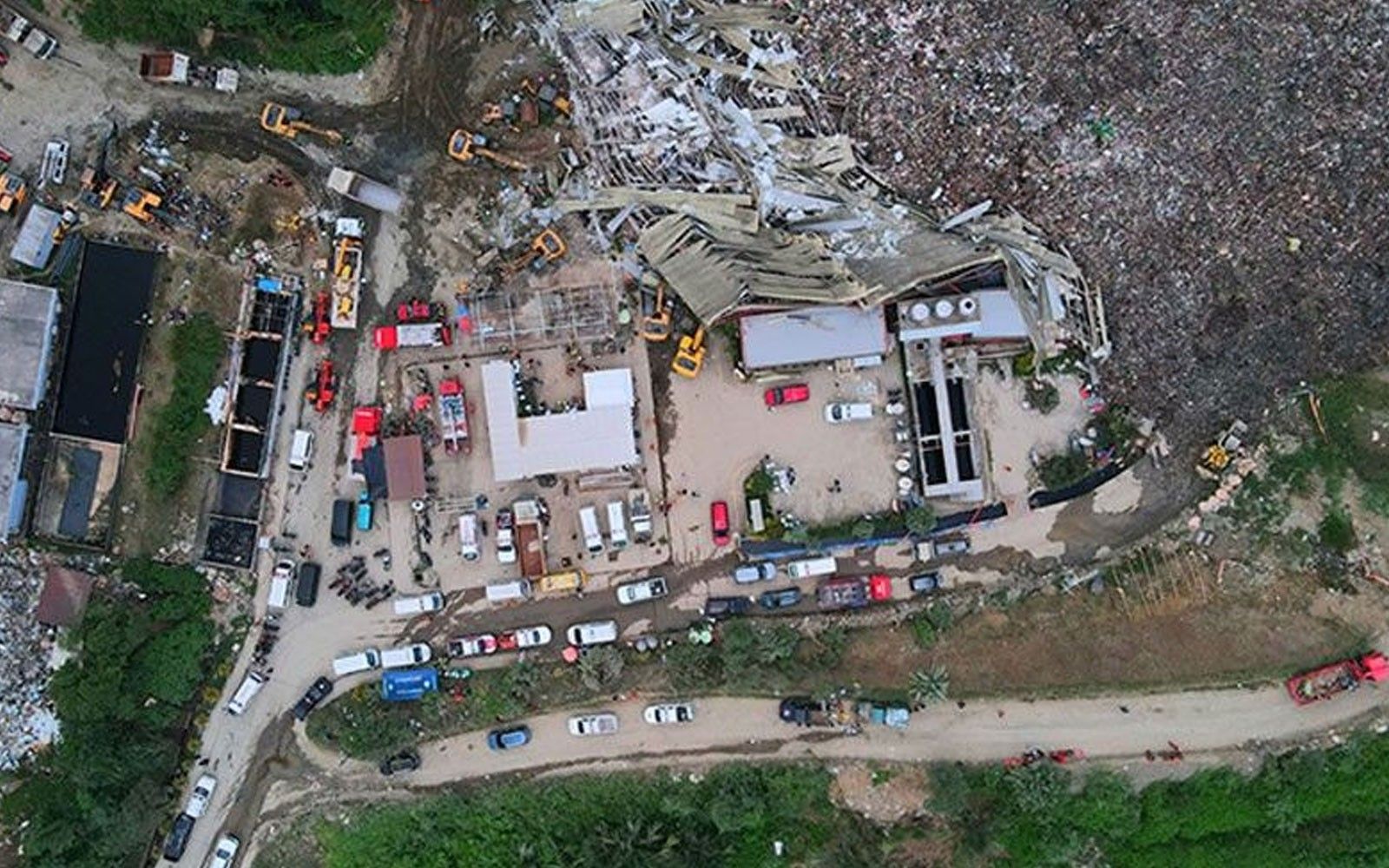
CEBU, Philippines — The Cebu City Council is seeking a comprehensive review of Prime Integrated Waste Solutions (PIWS), operator of the controversial Binaliw Landfill, including the possible revocation of its permits and operating privileges if legal grounds warrant such action.
The council wants to determine whether the landfill operator has a legally enforceable obligation to accommodate Cebu City's garbage, given that the facility operates within the city's jurisdiction.
Councilor Pastor Alcover Jr. renewed concerns over the city's continued reliance on costly waste-hauling arrangements that transport garbage to Aloguinsan, about 60 kilometers away, despite the presence of a landfill in Binaliw.
"Hagbay ra ko nagsaba-saba aning pagbayad sa katawhan sa dakong gasto sa pagdala og basura ngadto sa laing lugar, ngadto sa 60 kilometers away from the city. Nga naa man ta'y basurahan, naa sa atong siyudad, naa sa Binaliw," Alcover told fellow councilors.
He warned against allowing the arrangement to continue indefinitely, saying, "Let us not allow this situation to become the new normal."
The council agreed to ask the Office of the Mayor to direct the City Legal Office, Business Permits and Licensing Office, Department of Public Services, City Environment and Natural Resources Office and other concerned agencies to conduct a legal, contractual, technical and financial review of PIWS.
The review will determine whether the operator is legally obligated to accept Cebu City's waste, whether it has violated any such obligations, and whether it continues to accommodate other clients while refusing the city's garbage.
It will also assess whether grounds exist to suspend, cancel or revoke the company's permits, accreditations or agreements, examine its compliance with environmental regulations, and determine the implications of the city's reported ?130-million obligation to the operator.
During deliberations, Councilor Mikel Rama shifted attention to what he described as the city's growing dependence on costly waste collection and disposal instead of investing in long-term solutions.
Rama cited a proposed additional ?85 million for garbage collection and disposal, which would push the city's total waste management spending this year beyond ?1 billion. He questioned whether such expenditures could be considered investments.
"Frankly, Mr. Chair, it does not feel like an investment. It feels like we are throwing away public funds just like we are throwing away our garbage," Rama said.
Citing the city's waste analysis and characterization study, Rama said more than 71 percent of Cebu City's waste is biodegradable or recyclable, while another 13.7 percent consists of divertible plastics.
Only about 14.5 percent of the waste, he said, ultimately requires final disposal. However, funding for solid waste management enforcement remains a fraction of what the city spends on hauling and disposal.
"The more we don't enforce the law, the more we will spend," Rama said.
He later described the garbage crisis as "the elephant in the room."
"There is something about the garbage crisis," he said. "Nobody is incentivized in stopping it."
Other councilors agreed that while reviewing PIWS is necessary, the city's waste problem extends beyond its dispute with the landfill operator.
Councilor Harry Eran stressed that Republic Act 9003, or the Ecological Solid Waste Management Act, requires local governments and barangays to implement waste segregation and diversion programs so that only residual waste ends up in landfills.
"Everybody's concern ni," Eran said, emphasizing that addressing the problem requires the participation of City Hall, barangays and residents.
Councilor Joel Garganera also backed stronger recycling and waste diversion efforts but cautioned against expecting immediate results.
Citing a recent visit to Yokohama, Japan, Garganera said even highly disciplined cities needed years of consistent enforcement and investment to significantly reduce waste volumes.
"Let's be realistic," Garganera said, noting that Cebu City still generates hundreds of tons of garbage daily. "Ang pangutana, asa man padulong ang 600 ka tonelada matag adlaw?"
He said eco-stations, composting and waste segregation could help reduce garbage, but the city still needs a reliable long-term solution for the hundreds of tons generated daily.
The discussions also prompted suggestions to refer the matter to the Committee on Laws to determine the legal remedies available to the council.
Councilors expressed concern that while the city continues spending millions of pesos on waste disposal, there is still no certainty when or whether Binaliw Landfill will resume accepting Cebu City's garbage.
The council subsequently approved Alcover's omnibus motion, paving the way for an official review of PIWS and its role in the city's waste management system. — (FREEMAN)








- Latest