


El Niño Summit in Cebu City today
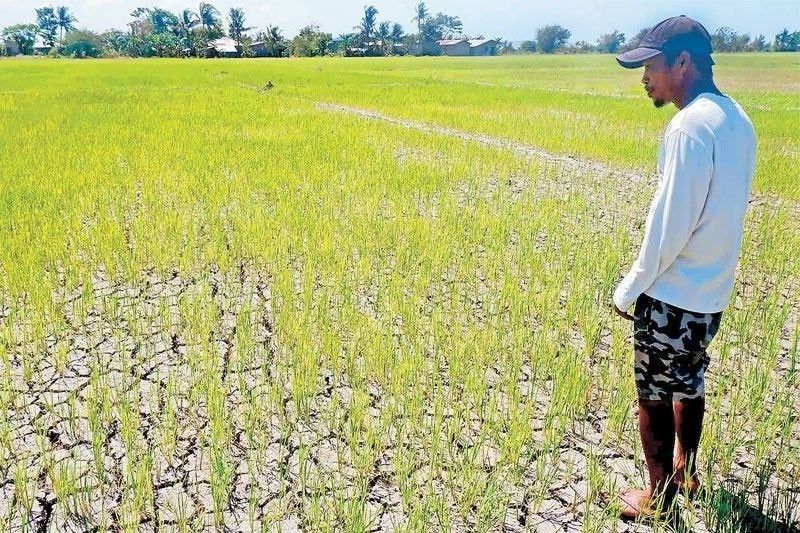
CEBU, Philippines — Cebu City convenes a full-day summit today to craft a unified response to the El Niño threat. Mayor Nestor Archival’s chief of staff Kenneth Siasar stressed the need for short, medium, and long term strategies to safeguard water supply and community resilience.
The event will gather barangay captains, city departments, water agencies, and the academe to develop a comprehensive plan amid forecasts of worsening drought and water scarcity.
The Philippine Atmospheric, Geophysical and Astronomical Services Administration (PAGASA) has confirmed that Central Visayas faces below-normal rainfall as El Niño intensifies, with an 81 percent chance of a strong event developing between October and December 2026 and persisting into early 2027.
This raises the risk of severe water shortages, crop damage, and prolonged dry spells.
The Metropolitan Cebu Water District (MCWD) has already warned of a potential 43,000-cubic-meter daily deficit in Metro Cebu’s water supply if conditions worsen, citing reduced production from Buhisan Dam, Cotcot and Lusaran rivers, and the Jaclupan facility.
The summit, titled “Strengthening Preparedness: A Unified Response to El Niño — Summit 2026”, will run from 8 am to 5 pm at Cebu Business Hotel.
It opens with an overview of El Niño by Engr. Oscarlito Tabada, the city’s resident meteorologist.
A series of “situationers” will then detail the status of surface water and rivers, crop conditions, water demand, and artesian wells.
Speakers include officials from the City Agriculture Department, City Environment and Natural Resources Office, Department of Public Services, and MCWD.
The University of San Carlos Water Resources Center will also present findings from its studies.
In the afternoon, workshops and brainstorming sessions with 80 barangay captains will be held to identify localized challenges and solutions.
Media representatives have been invited as reactors, with Siasar noting that journalists are “in the best position to help us” since they receive public concerns directly.
Siasar also emphasized that the summit aims to produce a roadmap covering short-term, medium-term, and long-term measures to ensure Cebu City is prepared if El Niño persists into 2027.
During preparatory discussions, he acknowledged that reports from the business sector have yet to be consolidated, but stressed that inputs from stakeholders, especially the media and barangay leaders, are crucial.
He underscored the importance of community-level knowledge, particularly regarding artesian wells and local water sources, which remain vital for upland and lowland barangays.
The summit builds on Cebu’s ongoing climate resilience initiatives.
Earlier this year, the Cebu Climate Action Summit 2026 highlighted the need for stronger integration of local development plans with national climate policies, emphasizing science-based solutions to flooding and climate hazards.
Archival has also directed MCWD to fast-track well drilling, expand desalination facilities, and deploy mobile siphon tanks to upland barangays.
The expected outcome is a comprehensive preparedness roadmap that balances immediate interventions such as water rationing and conservation campaigns with long-term infrastructure resilience.
“If and when it will continue until next year, naa na ta’y giandam,” Siasar said. — (FREEMAN)


- Latest


