Mayor: Primewaste won’t let city use landfill
CEBU, Philippines — As Cebu City continues to struggle with its final disposal of garbage, Mayor Nestor Archival lamented Primewaste’s refusal to allow the city government to dump waste at the Binaliw landfill, even as private haulers were accommodated.
This came after reporters pressed him for an update on Binaliw, following his earlier statement that the city was looking to return to using the facility soon.
Archival said he asked Primewaste to let the city dispose of its garbage there but was told to hold off.
“Wala pa’y notice gikan sa Binaliw landfill. In fact, naghangyo unta ko nila nga makalabay na lang unta ta ngadto. Ang problema, wala sila mohatag sa ilang bid. So sa ato pa, ingon sila nga ayaw una mo’g labay,” he explained.
He lamented that while private firms were being accommodated, the city was excluded.
“Ang ako lang, naguol, nga dili palabayon ang siyudad, gipalabay nila ang mga private. So angay unta nila esulti nako, ngano man ni? Nga naa man ni sila’y business permit para sa tanan, unya dili nila palabayon,” he said.
The Binaliw landfill, operated by Prime Integrated Waste Solutions (Primewaste), has been at the center of Cebu’s waste management controversies for years.
The landfill has also catered to other local government units (LGUs) and private firms in the past.
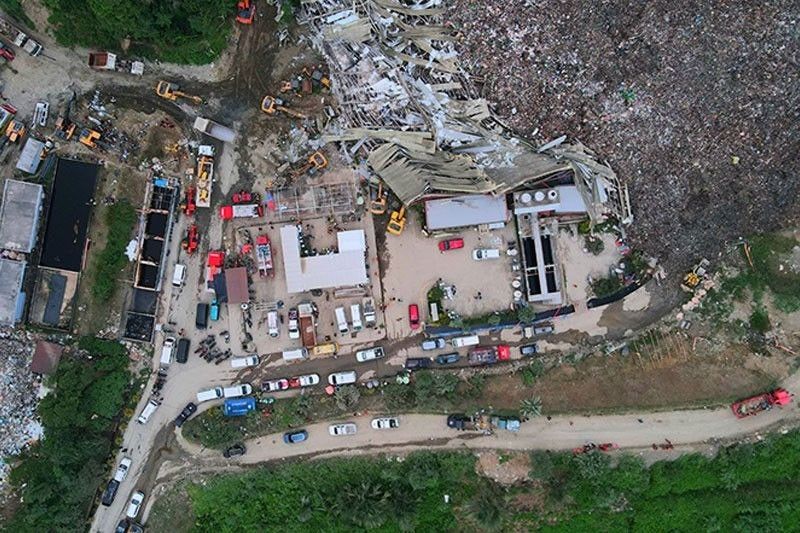
It was ordered closed after the January 8, 2026 trash slide that killed 36 workers and injured 18 others.
The Department of Environment and Natural Resources (DENR) initially attributed the collapse to seismic activity and heavy rains from Typhoon Tino, but senators later questioned whether improper waste accumulation, leachate buildup, slope instability, and non-compliance with Republic Act 9003 were the real causes.
The DENR has since allowed partial reopening of the facility under strict monitoring, including the construction of new engineered landfill cells.
However, questions remain about transparency, accountability, and whether Primewaste has met environmental safeguards.
The landfill’s troubled history resurfaced during the Senate Committee on Environment, Natural Resources and Climate Change hearing last July 20. DENR officials disclosed that five landfills nationwide, including Binaliw, were under “imminent danger” following inspections.
Sen. Risa Hontiveros cited a 2023 Commission on Audit performance audit warning that Binaliw was nearing capacity due to surging waste volume and inadequate diversion programs.
She pressed regulators on why earlier warnings were ignored.
Archival, testifying before the Senate, revealed that Cebu City spends ?4.2 million daily hauling garbage to Aloguinsan, a figure that underscores the financial strain of relying on distant facilities.
He warned that without sustainable disposal solutions, residents face heightened risks of flooding, pollution, and public health crises.
Cebu City generates thousands of tons of garbage monthly. The closure of the Inayawan landfill years ago forced reliance on private facilities, but the city’s contracts have been plagued by ballooning costs and questions of efficiency.
In one of the discussions at the City Council’s regular session, a councilor openly called for the revocation of Primewaste’s business permit, while another argued the city should be prioritized over private firms and other LGUs.
Despite the latest development about the Binaliw landfill, Archival accordingly said he isn’t inclined to revoke the company’s business permit at this time, preferring instead to explore disposal alternatives while keeping the city’s options open. — Preciosa Bacalso (FREEMAN)


- Latest