


Carabao program to be expanded
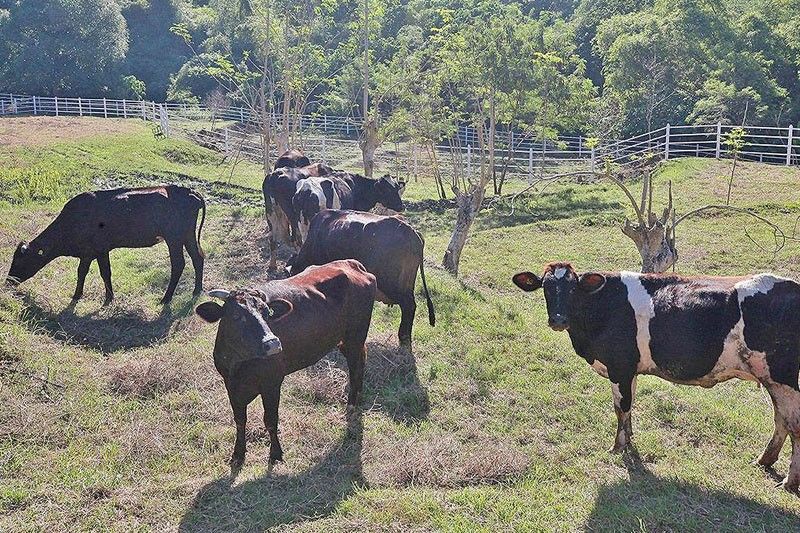
CEBU, Philippines — The Philippine Carabao Center (PCC) is planning to expand its dairy buffalo program in Cebu in partnership with the Cebu Provincial Government, an initiative aimed at strengthening food security while opening livelihood and entrepreneurship opportunities for farmers and community groups.
Provincial Veterinarian Dr. Mary Rose Vincoy said the program forms part of Governor Pamela Baricuatro’s food security agenda, with the provincial government looking beyond livestock production and toward value-added enterprises that could benefit farmer associations, women’s groups, and local communities.
“Part sa agenda ni Gov. Pam Baricuatro is the food security, and to help sa mga Cebuanos nga makabuhi sila’g mga hayop and at the same time entrepreneurship,” Vincoy said.
Under the proposed setup, the PCC will introduce its dairy buffalo production model already implemented in other parts of the country.
Unlike Cebu’s existing dairy industry, which largely relies on cattle, the PCC program will focus on dairy buffaloes, whose milk is considered richer and creamier.
Vincoy said Cebu already has an established dairy cattle sector supported by the National Dairy Authority, particularly among cooperatives using Holstein-Friesian breeds.
However, the PCC’s dairy buffalo initiative seeks to complement --not replace-- the existing dairy industry.
“Based sa ilang research nila mas full cream ang buffalo milk kaysa cattle milk,” she said.
Among the areas identified for potential expansion are portions of Cebu’s 1st, 2nd, and 3rd Districts, including Compostela, where dairy buffalo raising and dairy-based enterprises already exist.
The province also recently launched a Dairy Box in Talisay City, following similar initiatives in Compostela and Pinamungajan.
Vincoy said the Dairy Box serves as the entrepreneurship arm of the program, where women’s associations and community groups manage the selling and processing of dairy products.
Products include fresh milk, yogurt, ice cream, cheese, and pastillas, among others. Vincoy said the program also has the potential to support supplemental feeding initiatives for children if milk production increases.
“The good thing kay kung daghan kaayug ma-produce nga milk pwede siya ma-extend to supplemental feeding with the children,” she said.
Under the PCC model, one module consists of female dairy buffaloes. Vincoy said the package includes equipment and operational support, while local government units may shoulder land and infrastructure requirements through partnership arrangements with the PCC and the province.
She said the provincial government’s role would focus on veterinary supervision and technical support, particularly through artificial insemination and animal health monitoring programs implemented by the Provincial Veterinary Office.
“The health status is very crucial para maka-produce ug daghang milk para daghang produkto,” said Vincoy.
She explained that dairy animals require abundant water supply, high-protein feed, and proper infrastructure to sustain milk production, making farmer readiness and long-term commitment critical before implementation.
Vincoy said the province is still evaluating which local government units and associations may qualify for the program, noting that some LGUs have already expressed interest in partnering with the PCC.
She added that demand for locally-produced milk remains high, particularly from coffee shops, bakeries, and food businesses that prefer sourcing fresh milk within Cebu to reduce costs.
According to Vincoy, milk production in the Philippines remains low, with local production accounting for only about 2% of the country’s supply while the remaining 98% is imported.
“The need really for dairy farmers nga ma-establish ug masuportahan siya sa government,” she said.
“It’s not only production but entrepreneurship and livelihood. Daghan ang maka-benefit ani,” the provincial veterinarian shared. — Ashley Chad Jopia CTU-Tuburan intern/BRP (FREEMAN)


- Latest


