

As Cebu archdiocese preps for centennial:Uy outlines reforms, calls for renewal
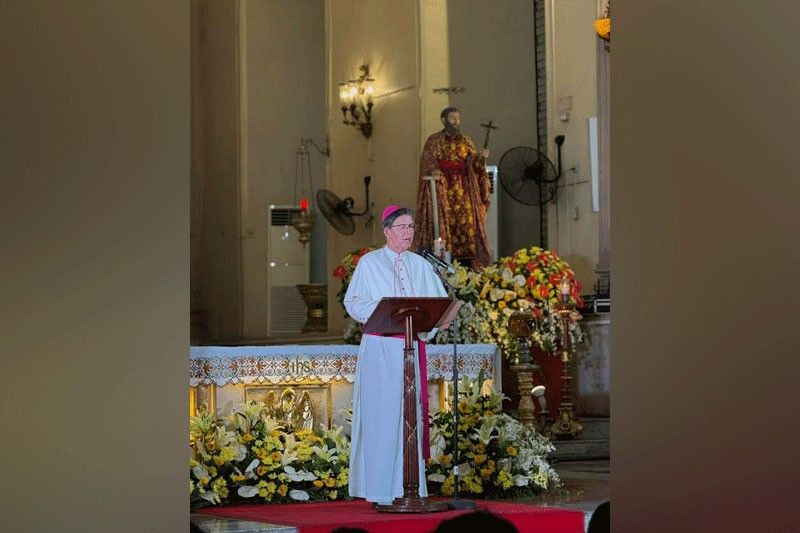
CEBU, Philippines — Cebu Archbishop Alberto “Abet” Uy has called on the faithful to embrace spiritual renewal and unity as the Archdiocese of Cebu advances toward its 100th anniversary in 2034, while laying out wide-ranging pastoral, social, and institutional reforms during his first State of the Archdiocese Address yesterday held at the Metropolitan Cebu Cathedral.
In his address, Uy emphasized that the Church’s direction is anchored on the guidance of the Holy Spirit, the source of strength and unity for the people of God.
“This is not just about celebration. We want the people to receive more grace. We are called to be transformed,” Uy said, referring to the planned celebration on April 23, 2034.
He stressed that preparations for the milestone should go beyond ceremonies and instead focus on renewal and mission, with the Church “walking together” in faith and purpose.
He also acknowledged existing challenges within the archdiocese but maintained a positive outlook.
“Overall, our situation in Cebu is quite good. There are challenges, yes, but things are generally in a good state,” Uy said in a press conference prior to the address.
He highlighted the strong faith of Cebuanos, noting their active participation in religious celebrations and community life.
“Undeniably, the people of Cebu are close to God. This is evident in celebrations such as the Sinulog, where large numbers of devotees actively participate,” he said.
Uy also pointed to full Sunday Mass attendance and the generosity of the faithful during calamities, recalling how many residents mobilized to help during an earthquake and contributed significantly to fundraising efforts.
He further noted that faith is expressed beyond church walls, with Cebuanos actively participating in social issues, including rallies advocating justice and truth.
In his report, Uy detailed key initiatives undertaken during his first months in office, including pastoral visitations and consultations conducted from October to December 2025 across the archdiocese’s eight districts, island vicariates, and seminaries.
These engagements, he said, provided opportunities to listen to clergy and lay faithful, resulting in a clearer understanding of parish realities and concerns that will shape future pastoral priorities.
The archdiocese has also begun a nine-year journey toward its centennial, and with 2026 designated as the year of becoming a “Listening Church.”
To support this, Uy announced the creation of the Coordinating Council for Synodal Transformation, which will focus on renewing parish structures and strengthening participation among lay organizations.
Among early administrative actions, Uy reappointed priests in key archdiocesan offices and formed consultative bodies, including the Board of Consultors and various councils. Programs to support clergy welfare were also strengthened, including monthly recollections, healthcare partnerships, and an accompaniment program addressing mental health concerns among priests.
“These are priests who have the heart and capacity to reach out, to listen, and to simply be present for their brother priests especially in moments of struggle and need,” he said.
On vocations, the archdiocese reported 225 seminarians currently in formation across four seminaries, alongside strengthened vocation promotion efforts and partnerships with youth sectors.
Uy also emphasized the importance of enriching liturgical life, including ongoing formation for lay ministers and efforts to translate the Roman Missal into Cebuano to deepen participation in worship. He encouraged the revival of traditional prayer practices such as the Angelus and regular prayer for the faithful departed.
In Catholic education, the archdiocese is implementing reforms to ensure sustainability and integrity, including the rollout of a unified accounting system in school year 2026–2027. He also highlighted the growing role of lay leadership in schools and the need to maintain strong Catholic identity.
Evangelization efforts continue to expand both in communities and online, with initiatives reaching remote areas and strengthening catechetical formation. The archbishop also underscored the importance of Basic Ecclesial Communities as vital expressions of faith at the grassroots level.
Programs for laity, families, and youth were likewise strengthened, with initiatives focusing on leadership development, mental health advocacy, and family formation, including updated Pre-Cana programs and mass wedding initiatives.
Environmental stewardship remains a priority, with campaigns such as “Walk for Creation”, the promotion of eco-friendly practices, and the establishment of “pocket forests” in parishes.
Through Cebu Caritas, the archdiocese’s social action arm, more than ?41 million in aid was raised following the 2025 earthquake and Typhoon Tino, supporting thousands of families and expanding into livelihood programs.
Efforts to preserve cultural heritage are also underway, including restoration of damaged churches and plans to secure national recognition for significant structures.
The archdiocese has also strengthened ecumenical and interreligious dialogue, fostering unity among different faith communities, as well as expanding its digital evangelization efforts through enhanced social communications programs and training initiatives.
On economic affairs, Uy reported improved financial stability, including fully settled healthcare obligations for clergy and the creation of structures to ensure sustainable resource management.
As the archdiocese continues its journey, Uy said the Church’s strength ultimately lies in the faith and generosity of its people. He called on all sectors to remain engaged in the mission, emphasizing that the road to 2034 is not merely about marking history, but about building a more vibrant, responsive, and faith-filled Church. — Chain Lee Templo CTU-Tuburan intern (FREEMAN)


- Latest