Possible defunding of CPAC alarms Pam
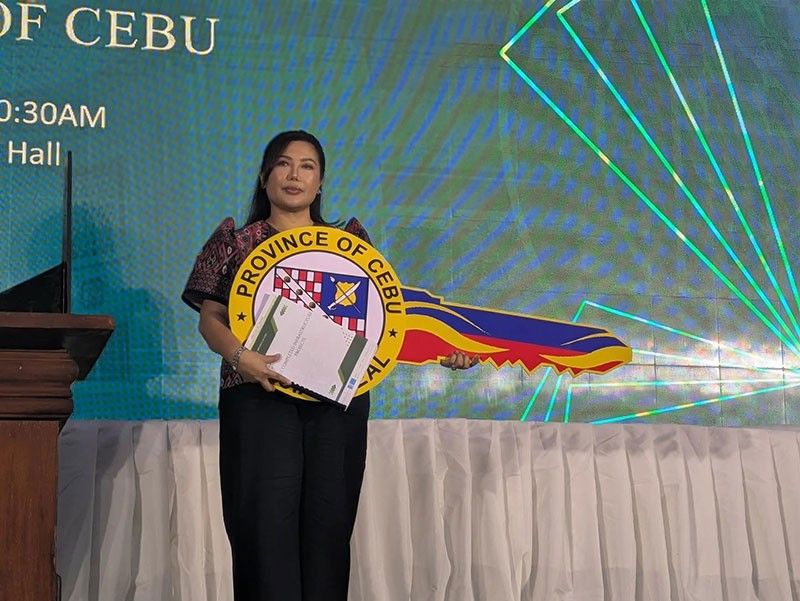
CEBU, Philippines — The proposal to possibly defund the Cebu People’s Action Center (CPAC) has alarmed Cebu Governor Pamela Baricuatro, stressing that it may directly weaken the Capitol’s ability to serve Cebuanos in times of need.
In a Facebook post, Baricuatro said CPAC was created to ensure a faster, more coordinated government response, particularly for vulnerable communities across the province. It is also a volunteer-driven mechanism that offers assistance, especially during emergencies.
This matter surfaced as the Provincial Board reviews the proposed 2026 provincial budget, where CPAC’s allocated funding faces possible removal during the second reading scheduled on December 22.
The Office of the Governor proposed P14 million for CPAC, which has functioned as a response and support body during disasters and emergencies.
According to Baricuatro, CPAC played a key role during the recent 6.9-magnitude earthquake and Typhoon Tino, coordinating rescue and relief operations, preparing and distributing hot meals at evacuation centers, and reaching barangays that were difficult to access.
She said testimonies from affected residents show that CPAC was able to respond quickly and effectively when calamities struck, filling gaps where help was urgently needed.
Despite this, members of the Provincial Board, through the report of the Committee on Budget and Appropriations, have questioned CPAC’s status, citing that it does not function as a regular office or agency under the Cebu Provincial Capitol.
The Sanggunian Panlalawigan will hold its final session for 2025 on December 22.
The committee noted that the fate of CPAC’s funding will only be decided during the second reading of the proposed budget later this month.
Baricuatro, however, stressed that even discussions of defunding the center already threaten its capacity to mobilize volunteers and resources.
“Service to the people is not optional. It is our mandate,” her post further reads.
She also compared the current budget debate to previous allocations approved by the board, noting that a P25-billion budget in the past included hundreds of millions of pesos for Pasigarbo Sugbo.
Now, she said, there is resistance to funding CPAC under the proposed P11.9-billion “People’s Budget,” which she said was crafted after consultations with the public.
Baricuatro said transparency and accountability are critical, adding that she plans to publicly disclose how each Provincial Board member votes on CPAC’s budget.
“You—the people—deserve to know who supports or hinders reliable service,” she added.
The governor also assured CPAC volunteers that their work will continue despite political challenges, praising them as the “heart of Cebu’s resilience.”
“No one can destroy the spirit of service that drives CPAC,” she added.
CPAC was officially created through Executive Order No. 5, Series of 2025, which Baricuatro signed on her first day in office on June 30.
The executive order establishes CPAC as a 24/7 centralized response hub, serving as the public’s direct link to the provincial government.
Under the order, CPAC operates as a multi-channel platform where citizens can file complaints, send suggestions, and make inquiries through hotlines, a website, and a mobile application.
The center is also tasked with forwarding concerns to appropriate offices, monitoring their resolution, and publishing performance data on a public dashboard.
The creation of CPAC is anchored on Section 16 of the Local Government Code of 1991, which mandates local governments to promote general welfare and ensure efficient governance.
“CPAC will stay focused on service, transparency, and impact—because the people of Cebu deserve no less,” Baricuatro concluded. — /IHM (FREEMAN)



- Latest