


Mandaue records 10 suspected cases of leptospirosis
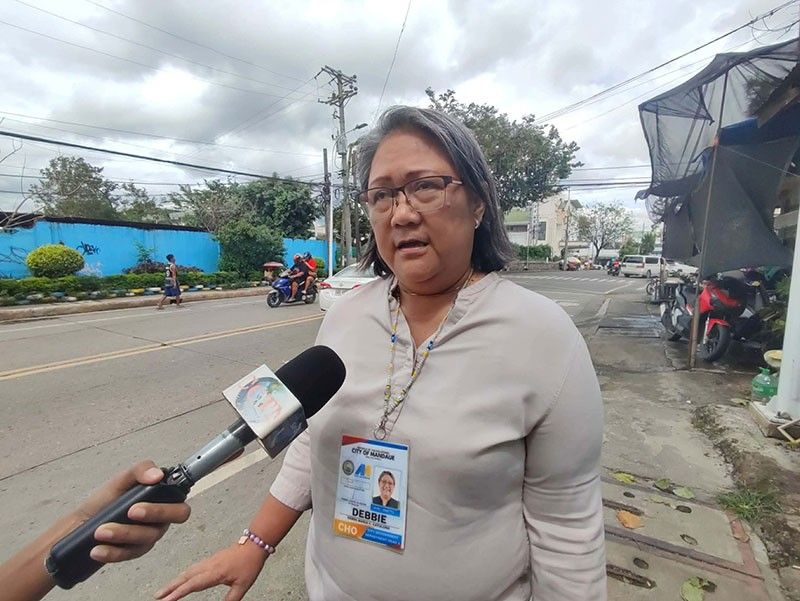
CEBU, Philippines — The Mandaue City Health Office reported that at least ten suspected cases of leptospirosis have been recorded in the city as of November this year, as officials continually call upon those exposed to floodwaters to seek medical consultation.
In an interview with City Health Chief Dr. Debra Catulong, she said the cases emerged shortly after the onslaught of Typhoon Tino last November 4.
Of the suspected cases, two are from Barangay Subangdaku, two from Barangay Jagobiao, two from Barangay Tabok, and one each from Paknaan, Pagsabungan, and Umapad. Another case has yet to be identified by barangay but is currently admitted at Vicente Sotto Memorial Medical Center.
Catulong said these cases were identified through surveillance conducted by the City Health Office across various hospitals in Mandaue.
“Nanggawas ni sila after sa typhoon. Suspected pa ni sila because we have not yet received the final results of the confirmatory tests,” she said, adding that all 10 patients are alive and currently admitted in hospitals.
Catulong said the cases remain classified as suspected because symptoms were observed only through clinical assessment.
However, she clarified that the early signs and symptoms of leptospirosis are similar to those of other illnesses, noting that only confirmatory tests can verify the infection. For now, these cases remain classified as suspected.
The Department of Health–Central Visayas Regional Office (DOH)-7 will still validate the findings.
She reminded residents, particularly rescuers who were exposed to floodwaters, to immediately seek medical consultation so doctors can provide preventive medication such as doxycycline.
“At the Mandaue City Health Office, we have enough supply of medicine against leptospirosis,” she said, stressing the importance of prophylaxis to avoid infection.
Catulong advised residents to avoid wading through floodwaters, warning that contaminated water can carry the leptospirosis bacteria.
She emphasized that the risk applies to everyone, even those without open wounds, as the disease can enter the body through the nose, eyes, or mouth via mucous membranes. — /IHM (FREEMAN)





- Latest


