


BFAR pushing aquaculture as opposed to regular fishing
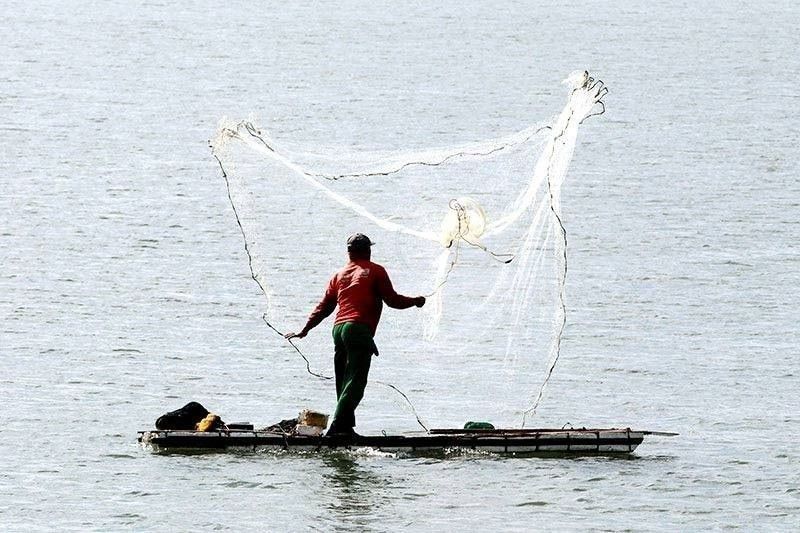
CEBU, Philippines — Aquaculture not only supports the agricultural sector with sustainable livelihood but also helps the ocean recover by reducing fishing pressure, the Bureau of Fisheries and Aquatic Resources in Central Visayas (BFAR-7) highlighted.
BFAR-7 community development officer and officer-in-charge of the Fisherfolk Coordination Unit Joel Lutao emphasized the role of aquaculture in the preservation of biodiversity.
He highlighted that fish farming offers an alternative to traditional fishing and is a vital step towards marine conservation.
“Tabang gud ta sa pag-amuma, pagprotektat sa environment kay mao ra gud na ‘tawon ang inyohang gisaligan labi na sa matag-adlaw ninyo na pagkaon no,” said Lutao.
This aligns with the country’s celebration of the “Month of the Ocean” this May, which promotes the protection and sustainable use of marine resources.
Lutao said that the initiative called “from fish hunting to fish farming” aims to reduce dependence on ocean fishing by encouraging fish cultivation in controlled environments like fishponds.
Lutao believes that this initiative helps ease the stress on marine ecosystems and allows fish populations and other aquatic resources to regenerate.
He added that the ocean remains a key source of food, transportation, and valuable marine materials for the entire world.
Because of this, he stressed the importance of responsible use and conservation of marine ecosystems for future generations.
“Mangita tag pamaagi na makatabang ta sa pagpreserbar sa atong kadagatan. Gikan sa sige tag panguha ug panagat, sulayan nato makapa-culture ta ug ang dagat sad makapahuway,” Lutao emphasized.
BFAR-7 is also recognizing the contributions of farmers and fisherfolk this May as part of the Farmers’ and Fisherfolk’s Month.
Lutao said the celebration serves to honor the hard work and sacrifices of these communities in ensuring food security for Filipinos.
As part of the activities, BFAR-7 has selected representatives from the fisherfolk sector in the provinces of Cebu, Bohol, Negros Oriental, and Siquijor.
These representatives are called provincial fisherfolk directors and are led by a regional fisherfolk director.
Lutao explained that the selection of these directors empowers fisherfolk by involving them in government planning and implementation of fisheries programs.
The directors are given the chance to sit in BFAR’s provincial and regional offices to observe how programs are developed and carried out. They are also toured around BFAR facilities and introduced to major projects related to fish breeding, processing, and distribution.
Lutao noted that it's important for fisherfolk to see that the government is actively working to improve their welfare.
BFAR-7 has also organized various activities and talent competitions across the provinces to engage local fisherfolk.
By promoting aquaculture and involving fisherfolk in governance, Lutao and the rest of BFAR-7 hope to build a more sustainable and inclusive future for marine resource management.
“From fish hunting gi-divert nato into fish farming. Ingon ani na paagi maipahiuli ang mga resources sa kadagatan,” said Lutao. — (FREEMAN)


- Latest