Cebu business groups split over 25% port tariff hike
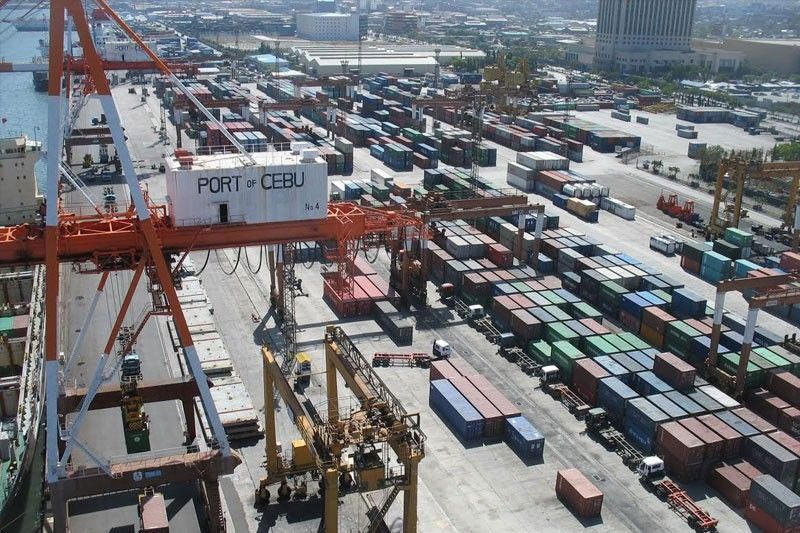
CEBU, Philippines — Cebu business groups are divided over a proposed 25 percent increase in domestic port and cargo-handling tariffs, with the Cebu Chamber of Commerce and Industry (CCCI) backing a phased adjustment and the Mandaue Chamber of Commerce and Industry (MCCI) urging authorities to hold off as businesses contend with mounting costs.
The Cebu Chamber of Commerce and Industry (CCCI) supports the full 25 percent increase sought by the Port of Cebu Association of Cargo Handling Operators Inc. (PCACHOI), but wants it implemented in two stages to limit the impact on businesses and consumers.
Under its proposal, the tariff would rise 10 percent in the fourth quarter of 2026, followed by another 15 percent in the first quarter of 2027.
In a statement, CCCI said cargo-handling operators face higher labor, fuel, equipment and maintenance costs that need to be reflected in rates to sustain safe and reliable port operations.
But a one-time 25 percent increase could sharply raise logistics costs, putting additional pressure on micro, small and medium enterprises and potentially feeding into consumer prices, the chamber said.
Mandaue Chamber of Commerce and Industry (MCCI), by contrast, is opposing an increase at this time, citing a combination of higher fuel prices, wage increases and other operating expenses that are already squeezing businesses.
“We don’t support any type of increase considering the fuel and oil crisis, the wage hike increase, plus the upcoming ‘super El Niño,’” MCCI President Barbara “Bambi” Gothong said. “These are keeping businesses down and any type of additional set of expenses would be quite heavy.”
The proposed adjustment comes as companies contend with softer demand and a still-challenging cost environment. MCCI also pointed to the Philippine economy’s 2.3 percent expansion in the second quarter, saying the timing of a substantial increase in logistics costs warrants closer scrutiny.
Domestic cargo handling is a critical link in the Philippine supply chain, supporting inter-island freight, roll-on/roll-off shipping and the distribution of goods across the archipelago. Higher charges could raise costs for manufacturers, traders, distributors and retailers, with potential implications for inflation and competitiveness, MCCI said.
MCCI said it wants the tariff proposal’s cost basis, justification and projected impact on businesses and consumers reviewed before taking a final position.
CCCI, meanwhile, is calling for greater transparency and a transition period if the increase proceeds.
It urged the Cebu Port Authority (CPA) and PCACHOI to provide sufficient advance notice before each tranche takes effect and publicly disclose the approved schedule.
CCCI also proposed transitional measures for MSMEs, including a grace period for cargo that has already been booked or contracted before the new rates take effect.
CCCI wants operators and regulators to clearly identify the service, safety and efficiency improvements that would accompany the higher charges. It also called for the impact of the first tranche to be monitored, with affected stakeholders consulted before the second increase is implemented.
CCCI further asked the CPA to clarify how the revised cargo-handling rates would interact with other port charges, particularly those imposed on private ports.
The split between the two chambers reflects the challenge facing Cebu’s port sector: ensuring cargo-handling operators can recover rising operating costs without adding another layer of expense to businesses already navigating higher logistics, labor and energy costs.
For CCCI, a phased increase offers businesses time to adjust. For MCCI, the priority is to determine whether the additional cost is justified before it is passed through the supply chain.


- Latest