


Bakery chain turns to solar to offset rising costs
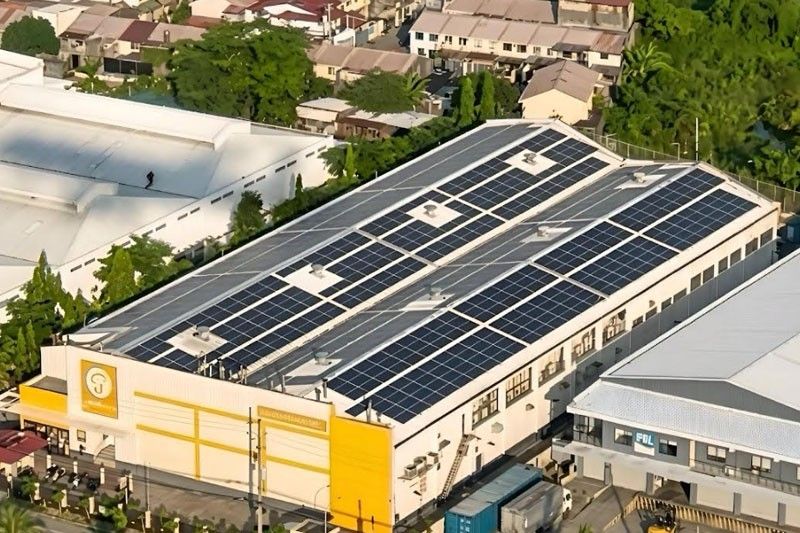
CEBU, Philippines — As surging raw material and fuel costs tied to tensions in the Middle East squeeze food manufacturers globally, Goldilocks Bakeshop Inc., is betting on solar energy to help keep its cakes and pastries affordable for Filipino consumers.
The Philippines’ largest bakery chain said savings generated from a newly inaugurated solar-powered commissary in Cebu are helping offset mounting production costs, allowing the company to limit price increases despite inflationary pressures affecting ingredients, logistics and electricity.
Goldilocks’ Visayas manufacturing arm has partnered with First Gen Corporation to operate a 516-kilowatt-peak rooftop solar facility at its 5,140-square-meter production plant in Lapu-Lapu City, which supplies more than 100 stores across Cebu, Bohol, Dumaguete, Masbate and Siquijor.
“We are trying to hold on to our prices because what Goldilocks really wants is to make every day a celebration,” Marilou Plando, assistant vice president for Visayas manufacturing, said during the facility’s inauguration. “Even if diesel prices are really high, we are not thinking of doing a price increase.”
The solar installation is currently generating savings equivalent to about 7 percent to 10 percent of the commissary’s electricity bill, according to Plando, with benefits expected to grow further in the coming years as the system ramps up utilization.
The facility, equipped with 794 solar panels, has already generated over 110,000 kilowatt-hours of electricity within weeks of operations since being switched on in April. First Gen estimates annual generation could reach 1.7 million kilowatt-hours during the project’s first year.
The move comes as food manufacturers face increasing pressure from volatile commodity and fuel prices exacerbated by geopolitical instability in the Middle East, a region critical to global oil supply chains. Higher diesel and transport costs have weighed heavily on distribution expenses for food producers across the Philippines.
Plando said operational efficiencies and renewable energy savings are being passed on directly to consumers to help preserve affordability, a key strategy for a company whose products are deeply tied to Filipino celebrations and daily consumption.
The Cebu commissary produces about 5,000 cakes daily during regular periods, rising to as much as 7,000 cakes during peak occasions such as Christmas, Valentine’s Day and Mother’s Day.
Under a 10-year solar power purchase agreement signed in 2025, First Gen financed, constructed and now operates the rooftop facility, allowing Goldilocks to avoid major upfront capital expenditures while benefiting from lower electricity costs. Ownership of the solar system will eventually be transferred to the bakery chain after the contract period.
The partnership also reflects a broader push among Philippine manufacturers to adopt renewable energy as power prices remain among the highest in Southeast Asia.
Founded in 1966, Goldilocks Bakeshop has grown into one of the country’s most recognizable food brands, operating more than 1,000 stores locally and overseas. — (FREEMAN)


- Latest


