


PGB expands fleet amid rising fuel costs
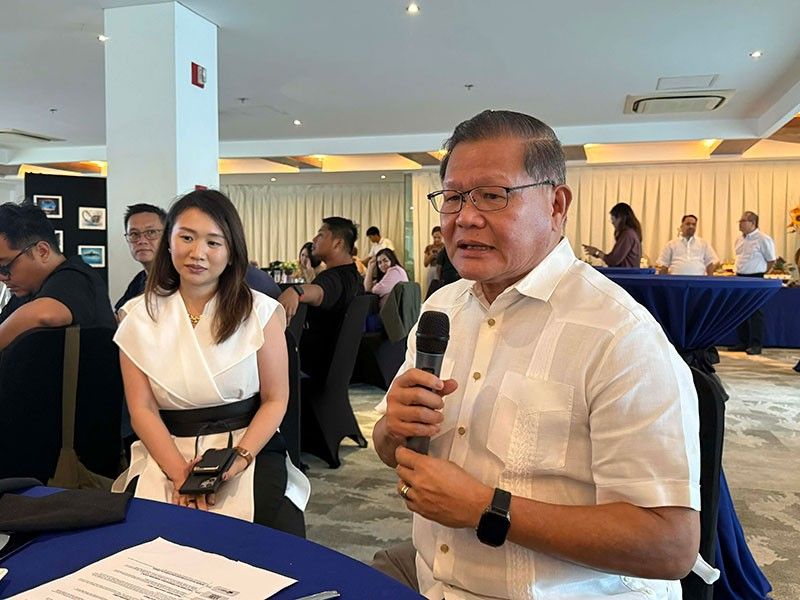
CEBU, Philippines — The Primary Group of Builders (PGB) is expanding its maritime logistics operations even as rising fuel prices threaten to increase costs for shipping companies.
Chairman William Christopher “Wally” U. Liu Jr. said the Cebu-based conglomerate continues to invest in additional vessels to strengthen its domestic cargo network, betting that robust demand for goods movement across the archipelago will cushion the impact of higher fuel prices.
The group now operates close to 60 vessels, forming one of the larger privately run inter-island logistics fleets in the Philippines.
“We move a lot of people and things every day,” Liu said, adding that the company transports roughly 300,000 to 400,000 tons of goods daily through its shipping network.
Much of the cargo consists of consumer products and parcels generated by the country’s fast-growing e-commerce sector.
“If you order anything from e-commerce, there’s a good chance we helped get it to your door,” Liu said.
The company’s logistics routes connect major trading corridors across the Visayas and Mindanao. Shipments from Luzon typically exit through Batangas port, bypassing congestion in Metro Manila before moving to destinations such as Panay, Negros, Zamboanga and Surigao.
Despite global oil price volatility, Beatrice Anne Liu, a PGB board member and group supply chain head, said the company plans to acquire additional vessels as part of its logistics expansion strategy.
The move reflects rising cargo demand as economic activity spreads beyond major urban centers. Provincial markets once considered remote are increasingly integrated into the national supply chain, driven by overseas Filipino remittances and the rapid growth of online retail.
“Every day there are e-commerce packages heading to these areas,” Liu said.
Fuel remains among the largest operating costs for shipping companies, and the recent rise in global oil prices—amid geopolitical tensions in the Middle East—poses a risk to margins across the transport sector.
Still, Liu said the essential nature of logistics services means cargo flows are unlikely to slow significantly.
“You drive a car, ride public transport or order deliveries—fuel affects all of it,” he said.
PGB is focusing on operational efficiency and network scale to manage costs while sustaining cargo volumes.
The logistics business has been built over roughly 15 years, supported by investments in maritime engineering expertise and workforce training for crew recruited across the Visayas and Mindanao.
While the group’s logistics arm has grown significantly, Liu said the company has largely kept the business out of the spotlight.
“We don’t make a big fanfare about it,” he said. “We let our actions do the talking.”
Now in its 75th year, PGB continues to invest in diversified sectors including real estate development, construction, health and lifestyle, and human capital development, among others.


- Latest


