


Prince Retail honored for inclusive business model
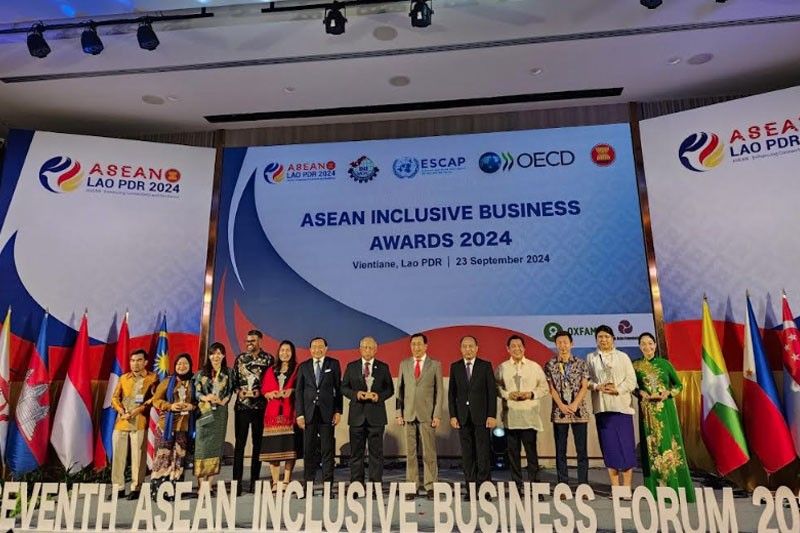
CEBU, Philippines — Prince Retail plans to step up its social enterprise initiatives across the Philippines after being named a model inclusive business at the 8th ASEAN Inclusive Business Forum, reflecting its growing role in promoting financial inclusion and community upliftment.
The Cebu-based retailer, part of Prince Retail Group, was honored in Kuala Lumpur, Malaysia for its business model that integrates profitability with social impact.
For over three decades, the company has pursued a strategy of serving underserved towns and islands — areas long overlooked by larger retail chains focused on Metro Manila and other urban centers.
Prince Hypermart now operates 74 stores in 27 provinces, serving about 100,000 customers daily and supplying over 50,000 sari-sari stores each month.
Beyond affordable retail, its branches have evolved into community hubs, offering access to basic banking services through partnerships with institutions such as the Bank of the Philippine Islands (BPI) as well as extending nearly ?1 billion annually in working capital to micro-entrepreneurs.
“Our mission has always been clear — to serve the underserved,” said Robert Go, founder and chairman of Prince Retail Group.
“Inclusive business is not about giving things away; it is about building systems of trust, discipline, and partnership that allow communities to grow with you. When your community grows, your business grows with it,” he added.
The company’s recognition highlights the scalability of its model, which blends modern retail, supply chain efficiency, and financial services to reach low-income and remote communities.
Following the award, Go said Prince Hypermart will accelerate store openings in underserved areas of Mindanao and strengthen its ecosystem of sari-sari stores and local suppliers.
Go noted that the group’s long-term vision, anchored in its “one town, one Prince” philosophy, is to build sustainable growth by deepening its partnerships with local communities — positioning retail not just as commerce, but as a driver of inclusive development. — (FREEMAN)


- Latest


