


CERA urges unified 5.5 percent system loss cap
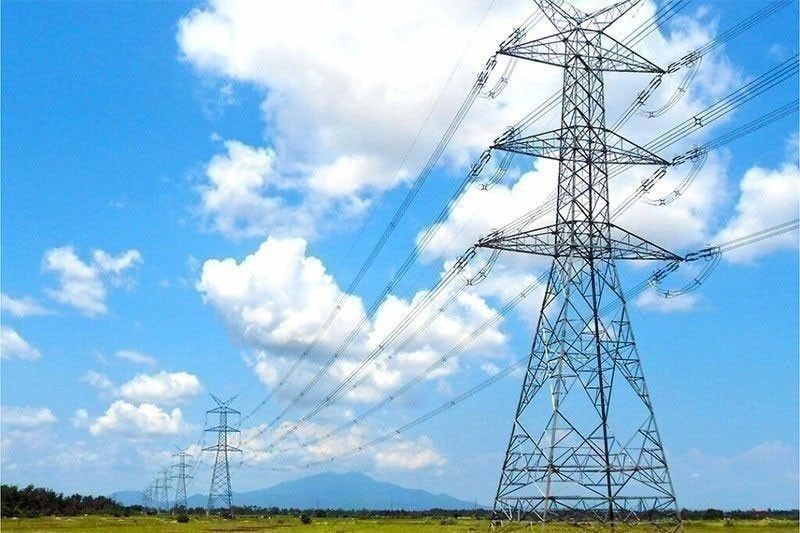
CEBU, Philippines — A consumer group is now urging the Energy Regulatory Commission (ERC) and the national government to adopt a uniform 5.5-percent system loss cap for all power distributors, stating that the current policy leads to higher rates among consumers served by electric cooperatives.
In a statement, the group, Cebu Electricity Rights Advocates (CERA), advocates for this unified measure, adding that the existing system hampers efforts to modernize power distribution systems.
They explained that the current dual-standard policy allows private distribution utilities (DUs), such as Visayan Electric (VECO) and Mactan Electric Company (MECO), to recover up to 5.5 percent of system losses from consumers, while electric cooperatives, including CEBECO I, II, and III, may recover up to 12.5 percent.
System loss refers to electricity lost during distribution due to technical factors, such as heat dissipated through power lines, as well as non-technical causes, including electricity pilferage and illegal connections.
Based on their analysis of January 2026 billing data, CERA estimated that a household consuming 200 kilowatt-hours (kWh) under a private distribution utility would pay an estimated maximum system loss charge of P140. A consumer with the same electricity usage under an electric cooperative could pay about P280 due to its higher allowable cap.
CERA Convenor Nathaniel Chua said the disparity results in consumers in cooperative franchise areas paying significantly higher electricity bills.
“We found that one primary reason for the increasing electricity rates among electric cooperatives is their high system loss cap. These losses are then transferred to consumers, resulting in disproportionately high electric bills,” Chua said.
“Why should consumers living in cooperative areas carry a heavier financial burden for technical inefficiencies than their neighbors in private distribution utility territories?” Chua further lamented.
The group also warned that the current policy weakens the financial position of electric cooperatives.
According to them, while cooperatives may recover up to 12.5 percent of system losses from consumers, any losses beyond the allowable threshold must be absorbed by the cooperative, reducing funds intended for infrastructure upgrades, maintenance, and personnel support.
Chua emphasized that this creates a cycle that ultimately affects service reliability.
“The cooperative loses the budget needed to upgrade aging lines, which in turn causes even higher technical losses the following month. The generous 12.5% cap is acting as a crutch that enables poor infrastructure,” he said.
CERA also cited the policy direction raised by President Ferdinand Marcos Jr. during his fifth State of the Nation Address (SONA), which explored the possibility of removing system loss charges passed on to consumers.
However, the group stated that completely eliminating system loss charges may encounter strong opposition from the power industry and could delay immediate relief for consumers.
Instead, CERA proposed that regulators adopt a standardized 5.5-percent system loss cap for all electricity distributors nationwide, calling it a “realistic compromise.”
“It is easier to implement, forces cooperatives to urgently prioritize system modernization rather than rely on a high cap, and most importantly, it immediately protects provincial consumers from paying for ‘ghost electricity’ they never used,” Chua said.
CERA emphasized that harmonizing the allowable system loss cap has become increasingly important as Cebu continues to face tightening power supply conditions and high electricity costs that affect household budgets and the province’s economic competitiveness.
The group called on the ERC and the national government to initiate regulatory reforms that would promote fairness, improve operational efficiency, and ensure equal consumer protection regardless of whether customers are served by a private distribution utility or an electric cooperative.
Meanwhile, Senator Risa Hontiveros has also filed a bill seeking to protect Filipino consumers from rising electricity costs during a declared state of emergency or calamity by allowing the President to impose a temporary cap on power rates.
Senate Bill No. 2361 proposes amendments to the Electric Power Industry Reform Act of 2001 (EPIRA), granting the President the authority to set a mandatory ceiling on electricity prices to prevent what Hontiveros described as “bill shock” during energy crises.
She added that the proposed measure would empower the President to impose a price cap as a direct response to rising electricity costs caused by external circumstances during a declared state of emergency or calamity, including the ongoing national energy emergency.
The Philippines has been under a State of National Energy Emergency since March 24, 2026. According to Hontiveros, electricity prices have continued to increase since then, with the country recording the highest average residential electricity rate in Southeast Asia last month.
Aside from authorizing a temporary price ceiling, the bill also provides an automatic 90-day moratorium on electricity disconnections during emergencies. It likewise authorizes the President to direct distribution utilities to offer deferred payment schemes for residential consumers and micro, small, and medium enterprises (MSMEs).
The proposed legislation also seeks to ease the burden on consumers contesting unusually high or erroneous electricity bills. Under the measure, consumers would only be required to provisionally pay the average of their monthly electricity bills for the previous three months while their complaint is being resolved, instead of paying the full disputed amount.
“Electricity is an essential service, not a luxury. We must pass this bill to immediately provide relief to Pinoy families, for whom paying monthly power bills has become an unbearable financial burden,” Hontiveros added. — (FREEMAN)


- Latest


