Barangays to lead water source evaluations for El Niño response
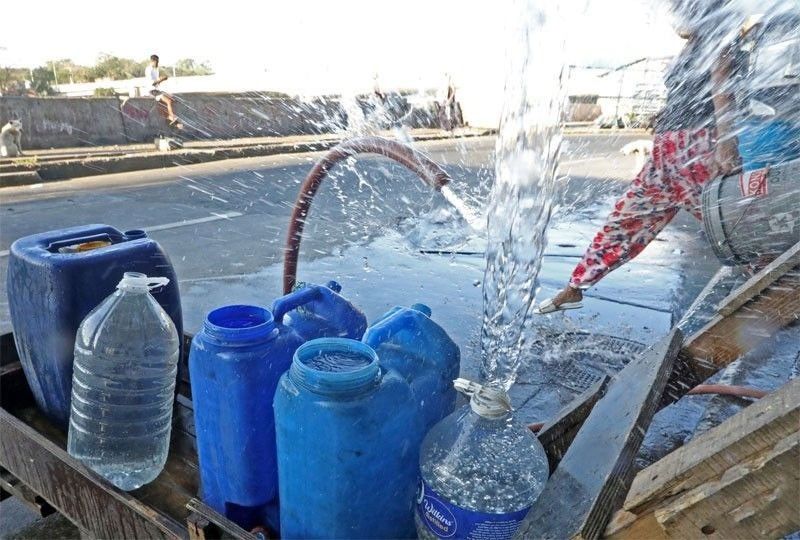
CEBU, Philippines — As part of the preparations for the anticipated Super El Niño, the Cebu City government has directed barangay-based emergency responders to conduct localized assessments to identify and document alternative water sources within their communities.
This assignment was formalized during a coordination meeting led by the Cebu City Disaster Risk Reduction and Management Office (CCDRRMO), which brought together city officials, partner agencies, and task force members to address the risks posed by prolonged dry conditions.
Responders are expected to survey artesian wells, water-refilling stations, existing facilities, and other potential sources that may be tapped during shortages.
Their findings, which will cover accessibility, availability, and usability, will be submitted to city offices and Task Force El Niño for consolidation into the city’s contingency plans.
During the meeting, Mayor Nestor Archival emphasized that barangay-level data will be vital in ensuring resources are properly mapped and mobilized when water scarcity becomes a concern.
The Philippine Atmospheric, Geophysical and Astronomical Services Administration (PAGASA) has warned of below-normal rainfall across Central Visayas, with an 81 percent chance of a strong El Niño lasting until mid-2027.
The Metropolitan Cebu Water District (MCWD) has projected a daily deficit of 43,000 cubic meters if conditions worsen, citing reduced production from Buhisan Dam, Cotcot and Lusaran rivers, and the Jaclupan facility.
Such shortages could affect households, agriculture, and critical facilities across the city.
The latest meeting attended by barangay responders and CCDRRMO representatives builds on recommendations from the earlier El Niño Summit, which outlined measures for water supply, storage, conservation, and distribution.
Immediate actions include repairing damaged facilities, reviewing emergency water supplies, and updating contingency plans.
Medium-term strategies involve rehabilitating wells, expanding storage capacity, and upgrading irrigation and distribution systems.
Long-term plans call for sustainable citywide water-supply systems, reservoirs, water recycling facilities, and watershed rehabilitation.
Mandaue’s action plan
Meanwhile, the Mandaue City government is preparing an El Niño action plan as it braces for possible drought, water shortages, health risks, and other effects of the phenomenon.
City Administrator Atty. Gonzalo Malig-on Jr. said the measure aims to ensure that concerned city departments and barangays are informed and ready for the potential impacts of El Niño.
“Mao na ni siya ang plan, ready na ang Mandaue for that eventuality, ang execution nalang,” Malig-on said.
He said the plan consolidates suggestions from the city’s department heads and was approved during the second quarter meeting of the City Disaster Risk Reduction and Management Council last week.
Aside from information campaigns and monitoring water lines for leaks in coordination with MCWD, the city is preparing measures to address a possible water shortage.
Malig-on said the city is eyeing the procurement of water tanks and water filtration systems, with part of the city government’s budget allocated for the provision of mobile filtration systems to the 27 barangays.
The systems may be used to ration water in the barangays should the need arise.
“Ang kakuwang sa tubig mao na ang atong gipangandaman, of course in relation ana nakita sa plan nga gi-anticipate, hopefully di mahitabo, ang mga water-borne diseases,” he said.
The City Engineer’s Office, meanwhile, will regularly inspect and monitor water lines to prevent leaks and unnecessary water loss.
It also plans to establish a water detention tank for water storage and conservation during dry conditions brought about by El Niño, as well as strictly implement and promote water conservation measures among city personnel.
The barangays are also expected to monitor communal water sources and deep wells, conduct water conservation campaigns in all puroks, and establish cooling areas in barangay halls and covered courts.
Barangay disaster risk reduction and management committees are tasked to activate their emergency operations centers, regularly inspect emergency supplies and equipment, and preposition essential resources such as drinking water containers, first aid supplies, and electric fans.
They are also expected to ensure that evacuation centers have clean water and proper sanitation.
The city’s barangays will likewise maintain 24/7 monitoring of possible fire hazards, keep fire extinguishers or water buckets available, safely store flammable materials, and prohibit open burning, including the burning of leaves and garbage.
Malig-on said the plan also includes preventive measures against possible fires and diseases that could arise during the phenomenon.
The City Health Office will activate its El Niño response team and implement Code White or Blue readiness when necessary. It will also monitor cases and reports, assess health facility readiness, deploy medical teams when needed, and coordinate with hospitals and other stakeholders.
The CDRRMO, meanwhile, will regularly disseminate PAGASA information related to El Niño, post the daily maximum heat index, conduct information and education campaigns, and coordinate with barangay DRRM focal persons.
It will also conduct regular equipment inventories, ensure the functionality of response resources, provide capacity-building activities for personnel, and attend stakeholder meetings.
The City Agriculturist Office has also prepared measures for the agriculture sector, including water management, crop adjustments, soil conservation, and seed and input support.
Among the proposed measures are promoting rooftop rainwater harvesting, adjusting watering schedules, shifting to drought-tolerant and short-duration crops, using mulch to retain soil moisture, and providing drought-resistant seeds and seedlings.
For livestock, the city plans to ensure adequate drinking water, install water storage tanks, and implement heat-stress management measures such as shaded housing, proper ventilation, and adjusted feeding schedules.
For poultry, measures include improving ventilation, installing cooling systems, reducing stocking density, ensuring adequate water supply, and adjusting feeds and nutrition during periods of extreme heat.
The agriculture plan also includes weekly assessments of crop, poultry, and livestock conditions, documentation of interventions, and a post-El Niño evaluation.
Contingency measures include emergency water delivery to affected farms, crop damage assessment, crop insurance facilitation through the Philippine Crop Insurance Corp., livelihood assistance for affected farmers, and food assistance when necessary.
“Naa diri sa action plan tanan, by department man ni,” Malig-on said.
He said the different city departments already have their respective action plans, with the focus now shifting to implementation should the effects of El Niño intensify.
“Naa na silay respective action plan, ang execution nalang. Kung naa na gyud mahitabo, naa na tay ready nga plan, naa na sad tay gipang procure towards that execution,” he said. — /MRM (FREEMAN)





- Latest