

As farm and market prices widen: Hog raisers seeking help
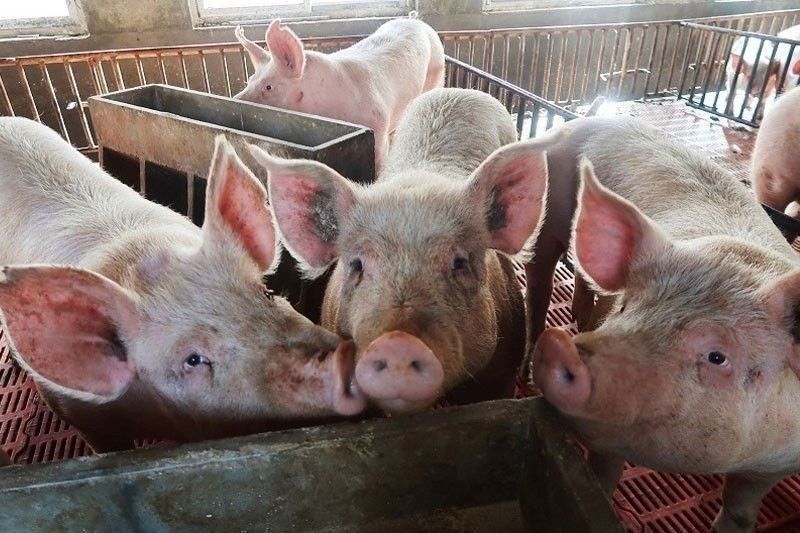
CEBU, Philippines — Cebu hog raisers are selling their livestock for as little as ?105 per kilo even as consumers continue to pay as much as ?300 for pork in public markets, prompting calls for government intervention to address the widening gap between farmgate and retail prices.
The disparity has raised concerns over the earnings of local producers, who shoulder the costs of raising livestock and the risks of disease outbreaks but receive only a fraction of what consumers pay for pork.
Local hog growers brought the issue to Governor Pamela Baricuatro during a meeting at the Capitol on November 6, seeking help to protect their livelihoods from declining buying prices and competition from outside suppliers.
Hog grower James Abule, speaking on behalf of the group, said traders offered as little as ?105 per kilo for live hogs, while pork in the retail market sold for between ?280 and ?300 per kilo.
Abule attributed the low farmgate prices partly to the entry of hogs from Negros Island, which he said has intense competition and made it more difficult for Cebu producers to sell their livestock at better prices.
The threat of African swine fever (ASF) has further compounded the situation, according to Abule, as growers face the possibility of losing their entire investment if their animals become infected.
With the risk of disease hanging over their operations, some raisers are left with little choice but to accept low buying offers rather than risk losing their capital, he said.
In response, Baricuatro said she had personally raised the concerns with Agriculture Secretary Francisco Tiu Laurel Jr., who assured her that the Department of Agriculture (DA) would suspend pork importation for 60 days.
The governor said the suspension would be implemented soon, although she did not provide a specific date for its implementation.
“Don't say nga wala ta mo paminawa. Mao nay akong giingon ninyo nga kon mamolitika ta, walay mahitabo nato. Trabaho lang ta,” Baricuatro told the growers.
She also encouraged local hog raisers to use Agrilink Cebu, the provincial government's online trading platform designed to connect farmers, fisherfolk and livestock producers directly with consumers, institutional buyers and processors.
The platform is intended to help producers reach buyers without relying heavily on intermediaries, potentially allowing them to secure better prices for their products.
“Tan-aw nako ani, logistics ang problema,” Baricuatro said, pointing to the need to address logistical concerns and streamline the movement of meat products from producers to the market.
Provincial Board Member Cesar Baricuatro, chairperson of the provincial board's committee on agriculture, also attended the meeting, along with Provincial Veterinarian Dr. Mary Rose Vingcoy and Capitol agriculture consultant Gigi Sanchez.
Sanchez urged the hog growers to organize themselves into associations, saying a unified group would have a stronger position in raising concerns, negotiating with buyers and pushing for measures to support the local industry.
She said the Capitol was open to hearing their recommendations, particularly if they could present their concerns and proposed solutions through an organized group. — (FREEMAN)






- Latest